
PROGRAM STATUS: DISCONTINUED The deadline for new FTHBI applications was March 21, 2024, and no new approvals were issued after March 31, 2024. New buyers cannot apply. Existing FTHBI agreements remain in force and must still be repaid under the program terms.
The First-Time Home Buyer Incentive is no longer an option for someone buying a home today. The federal shared-equity program closed to new applications in 2024.
That does not make the program irrelevant. Thousands of homeowners still have an FTHBI registered against their property, and the repayment rules continue to matter when they sell, refinance, port their mortgage or consider paying the incentive back early.
This updated guide explains what happened to the program, how repayment works for existing holders, and which first-time buyer programs are actually available now.
Is the First-Time Home Buyer Incentive Still Available?
No. The program is closed.
CMHC stopped accepting new applications after midnight on March 21, 2024. Applications already in the system could be processed, but no new approvals were issued after March 31, 2024.
For existing homeowners, the important point is this: the program ending did not cancel an approved incentive. The shared-equity mortgage remains registered, and the original repayment obligations continue.
The program was wound down after participation fell well below its original target and federal housing spending priorities shifted. That explains why older articles still describe the FTHBI as available even though it has been closed for more than two years.
What the FTHBI Was and How It Worked
The FTHBI was not a grant and it was not free down-payment money. It was a shared-equity mortgage from the Government of Canada.
For eligible purchases, the program offered:
• 5% of the purchase price for an existing home
• 5% or 10% of the purchase price for a newly built home
That amount was added to the buyer’s down payment, which reduced the size of the insured mortgage and usually lowered the monthly payment.
The trade-off was repayment. The amount owed was tied to the home’s market value when the incentive was repaid, not simply to the original dollars advanced. The government shared in the increase or decrease in value, subject to a maximum gain or loss of 8% per year, calculated on the original incentive amount and not compounded.
Historical Example: How Much the Program Provided
Suppose a buyer purchased a $600,000 resale home and received a 5% incentive.
• Purchase price: $600,000
• FTHBI amount: $30,000
• Mortgage reduction before insurance and other adjustments: $30,000
The immediate benefit was straightforward: the buyer borrowed less through the main mortgage. But the $30,000 was not a fixed loan balance. Repayment moved with the value of the property, within the program’s gain-and-loss limits.
Repayment Example After Five Years
Using the same purchase, assume the home increased from $600,000 to $750,000 after five years.
• Original incentive: $30,000, equal to 5% of the purchase price
• Home value at repayment: $750,000
• 5% of the current value: $37,500
In this example, the homeowner would repay $37,500, assuming the valuation is accepted and no other adjustment applies.
The appreciation cap would not reduce that amount. Over five years, the maximum gain under the 8%-per-year, non-compounded cap would be $12,000, making the maximum repayment $42,000. Since $37,500 is below that cap, the percentage-of-value calculation would apply.
What changed for the homeowner? The program provided $30,000 at purchase, but the repayment increased by $7,500 because the property appreciated. If the property had declined in value, the repayment could also have been lower, subject to the corresponding loss cap.
When Existing FTHBI Holders Must Repay
The incentive generally has to be repaid in full at the earlier of:
• The sale of the property
• The end of the 25-year incentive term
A homeowner may also repay the incentive in full at any time before then without a prepayment penalty. Partial repayments are not permitted.
Certain changes can also trigger repayment. CMHC identifies situations such as porting the mortgage, a partial release of the property used as security, or a co-borrower buyout that requires additional insured financing.
Refinancing does not have one automatic answer in every case. An existing holder should confirm the requirement with the lender and program administrator before committing to a refinance. An appraisal, legal work and administrative steps may also be required.
Should You Repay the FTHBI Early?
For an existing holder, this is now the real decision. The question is no longer whether to take the incentive. It is whether keeping it or repaying it fits the next stage of your mortgage plan.
Early repayment may be worth reviewing when:
• You expect the property to appreciate and want to stop the shared-equity amount from increasing
• You are refinancing, porting the mortgage or changing ownership
• You want a clearer picture of the equity available for a future purchase or investment
• You can repay it without using high-interest debt or emptying your emergency savings
Waiting may be more practical when:
• Repayment would leave you short on cash
• You would need an expensive loan to pay it out
• You expect to sell soon and can handle the repayment through the sale proceeds
• The property value has been flat or has declined, making timing more important
There is no universal answer. The right comparison includes the current repayment amount, expected future value, borrowing costs, legal and appraisal costs, and what you need the cash for today.
How It Can Affect Equity, Refinancing and a Future Sale
The FTHBI does not erase the equity you have built, but it changes how much of that equity is ultimately yours after the incentive is repaid.
That can matter in a few practical ways:
• Sale proceeds: the incentive repayment comes out of the value available to you at closing
• Refinancing: the lender may need to account for the shared-equity mortgage and confirm whether it must be repaid
• HELOC or equity take-out: the amount available may be affected by the existing charge and the lender’s policies
• Future purchase planning: your usable net equity may be lower than the headline difference between the home value and the first mortgage balance
Before relying on a rough equity estimate, ask for a current mortgage balance, a realistic property value and an estimated FTHBI payout. That gives you a much cleaner number to plan with.
Was the FTHBI Worth It?
For some buyers, the program helped them qualify sooner or reduced the monthly payment enough to make a purchase manageable. For others, the later cost of sharing appreciation may outweigh the original benefit.
For anyone who already has the incentive, judging the original decision is less useful than understanding the position today. Compare what the program saved you at purchase with what it would cost to repay now, and how that repayment fits with your next mortgage move.
What First-Time Buyers Can Use Instead in 2026
There is no direct replacement for the FTHBI. Current programs help in different ways, and they do not give the government a share of future appreciation.
First Home Savings Account (FHSA)
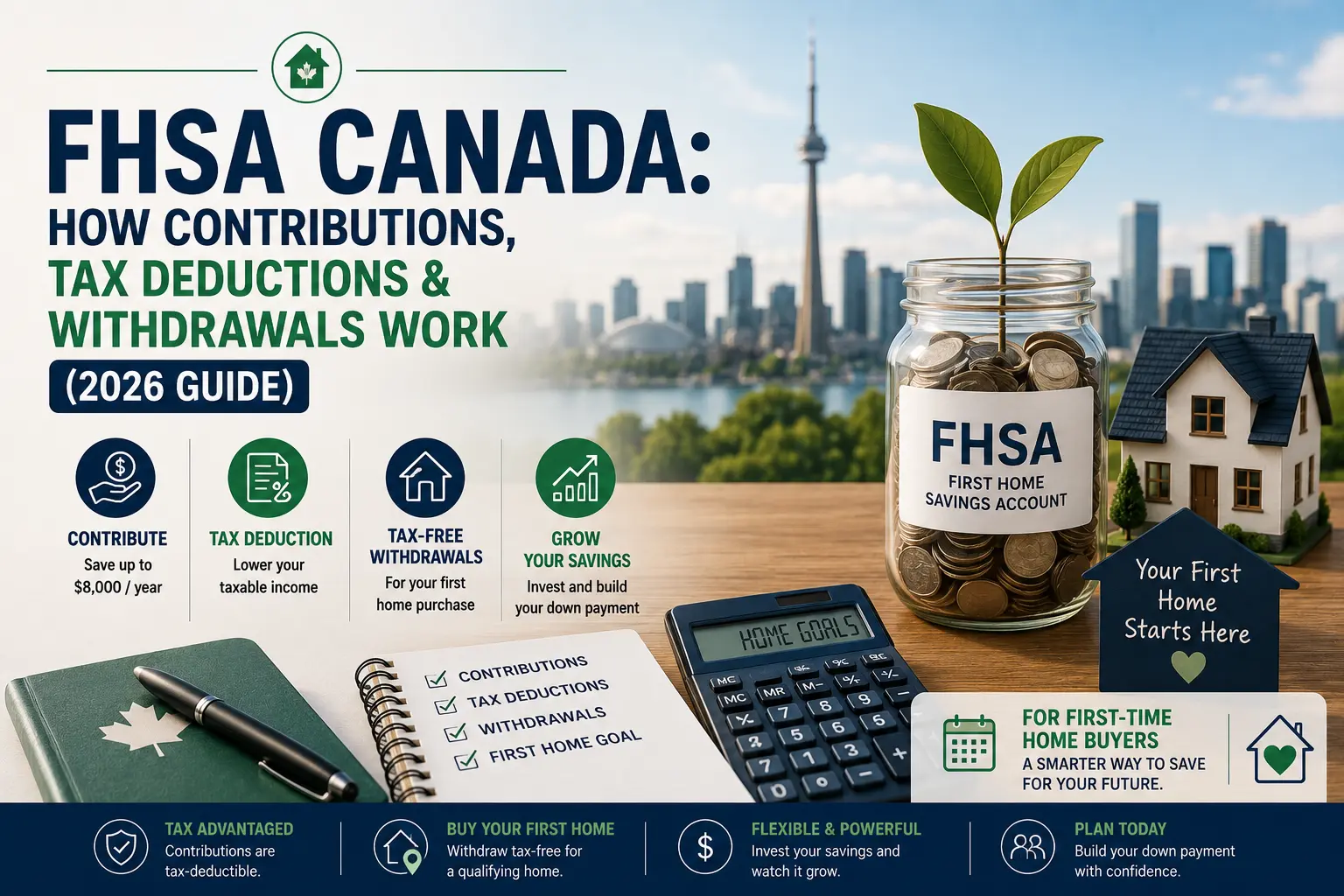
An FHSA lets an eligible first-time buyer make tax-deductible contributions and withdraw qualifying funds tax-free for a first home. The first-year participation room is $8,000, and the lifetime contribution limit is $40,000.
Related guide: FHSA Canada: How Contributions, Tax Deductions and Withdrawals Work
Home Buyers’ Plan (HBP)
The HBP allows an eligible buyer to withdraw up to $60,000 from an RRSP for a qualifying home. The amount is not permanently tax-free; it is generally repaid to the RRSP over time under the HBP rules. An eligible buyer may use the HBP and an FHSA for the same home.
Related guide: Home Buyers’ Plan in Canada: How RRSP Withdrawals Work
First-Time Home Buyers’ GST/HST Rebate
Eligible first-time buyers of a new or substantially renovated home may qualify for a rebate of up to $50,000 of the GST, or the federal part of the HST. The full federal rebate can apply to qualifying homes valued up to $1 million, with a partial rebate between $1 million and $1.5 million. Eligibility and agreement dates matter, so this should be checked against the current CRA rules before relying on it in a budget.
Official details: CRA First-Time Home Buyers’ GST/HST Rebate
For a broader Ontario overview, read First-Time Home Buyer in Ontario: Programs, Down Payment and Closing Costs.
FAQ
Is the First-Time Home Buyer Incentive still available in 2026?
What happens if I already have an FTHBI mortgage?
What replaced the FTHBI?
Can I repay the FTHBI early?
Does refinancing automatically trigger repayment?
How is the repayment amount calculated?
When to Speak With a Mortgage Expert
Get the repayment amount reviewed before you:
• List the home for sale
• Refinance or add a HELOC
• Port the mortgage to another property
• Remove or buy out a co-borrower
• Use your expected equity as the down payment on another home
A proper review should compare the estimated payout, the current mortgage balance, the likely property value and the cost of any new financing. That is much more useful than looking at the incentive in isolation.
Final Takeaway
The First-Time Home Buyer Incentive is closed. New buyers cannot apply, and any article suggesting otherwise is out of date.
For existing holders, however, the FTHBI is still very real. It can affect the money available from a sale, the structure of a refinance and the amount of equity available for the next purchase. Before making a move, get the current repayment amount and review it as part of the full mortgage plan.
Team Done Mortgage can help existing FTHBI holders review repayment options and help current first-time buyers compare the programs that are actually available today.
Sources and Official References
• CMHC: First-Time Home Buyer Incentive status and repayment rules
• Government of Canada: National Housing Strategy progress report, March 2024
• CRA: First Home Savings Account
• CRA: First-Time Home Buyers’ GST/HST Rebate
• Department of Finance Canada: Royal Assent for the first-time home buyers’ rebate