
Mortgage Broker Toronto services are becoming increasingly important as buyers face high property prices, strict mortgage stress tests, rising condo fees, and complex lender qualification rules across the GTA.
Buying a home in Toronto is very different from buying in most Canadian cities.
High property prices, strict mortgage stress test rules, rising condo fees, and aggressive lender qualification models make Toronto one of the most difficult mortgage markets in Canada.
A lot of buyers assume:
“If I have a good income, I should get approved.”
That is not how lenders think.
Banks evaluate:
- Debt ratios
- Condo maintenance fees
- Existing liabilities
- Employment structure
- Rental exposure
- Credit profile
- Down payment source
- Property type
- Income stability
That is why many Toronto borrowers get declined even with strong income.
At Team Done Mortgage, we help borrowers across the GTA structure mortgage approvals properly — not just chase the lowest rate.
Why Toronto’s Mortgage Market Is Different
Toronto home buyers face challenges that borrowers in smaller cities usually do not.
High Property Prices
Many buyers are purchasing:
- Downtown condos between $500K–$900K
- Townhomes above $900K
- Detached homes above $1.2M+
- Investment properties with stricter qualification rules
Higher prices create:
- Larger down payment pressure
- Tougher stress test qualification
- Higher monthly carrying costs
- Increased scrutiny from lenders
Condo Fees Reduce Borrowing Power
This is one of the biggest mistakes Toronto buyers overlook.
A condo with:
- Lower purchase price
- But high monthly maintenance fees
can qualify worse than a more expensive freehold property.
Lenders include condo fees in debt servicing calculations.
Example:
- $850/month condo fees can significantly reduce maximum approval amount.
The Mortgage Stress Test Is Tougher in Toronto
Canadian lenders qualify borrowers using higher benchmark rates — not the actual contract rate.
That means:
Even if your real payment feels affordable, you may still fail qualification.
This affects:
Investors
First-time buyers
Move-up buyers
Self-employed borrowers
Condo purchasers
Who We Help in Toronto
How a Mortgage Broker Toronto Can Help First-Time Buyers
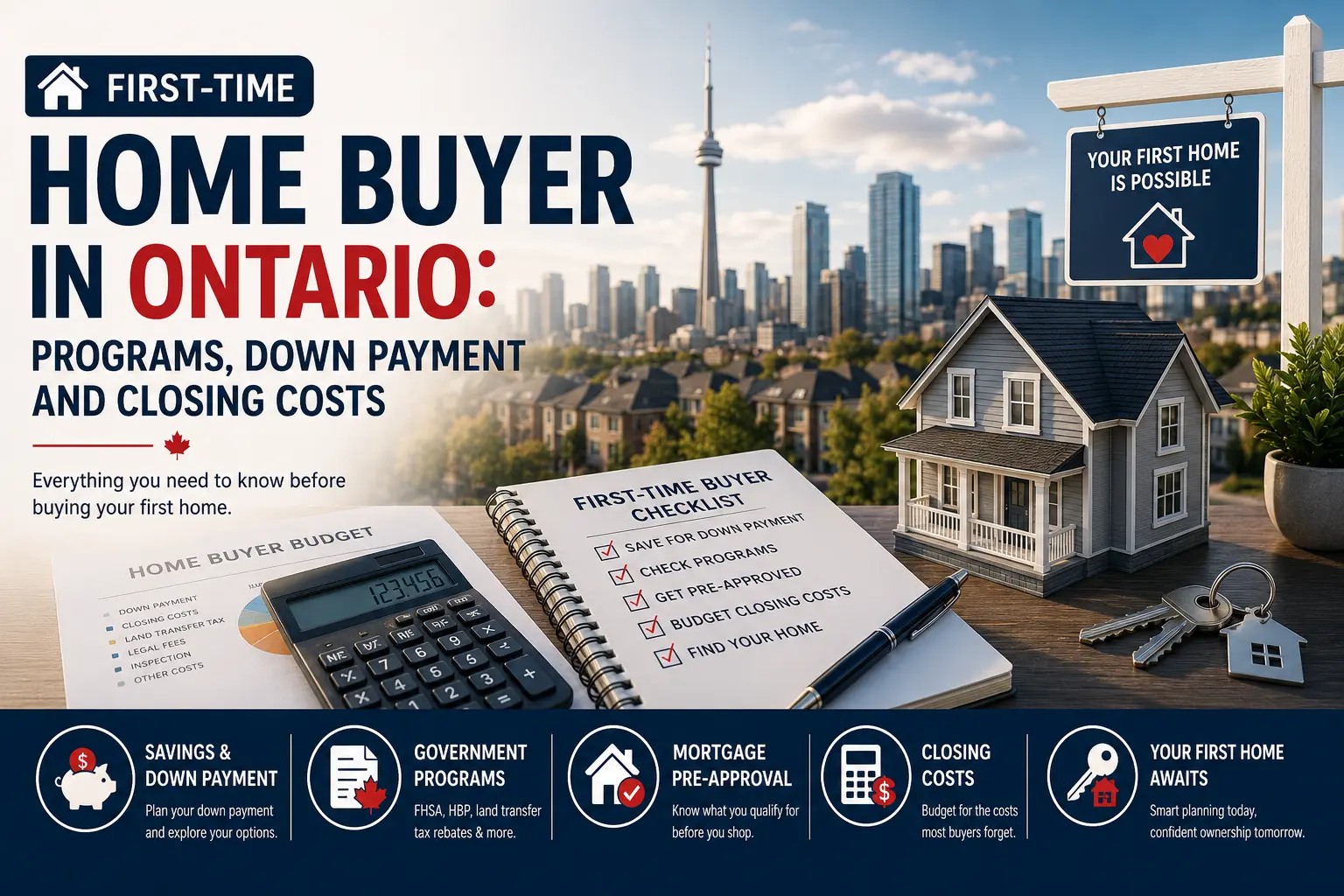
Buying your first home in Toronto can feel overwhelming.
Most buyers are trying to understand:
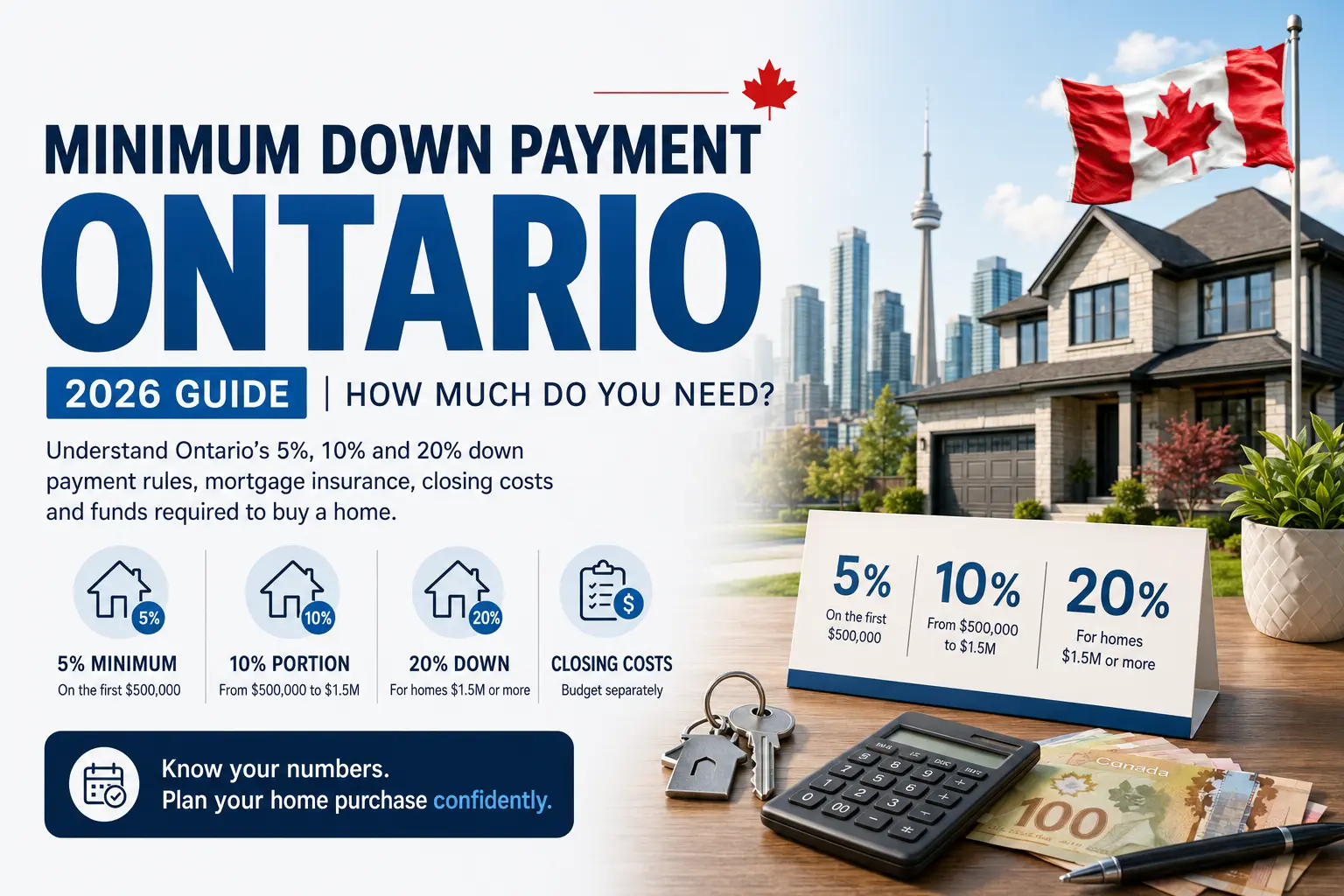
- Minimum down payment requirements
- Mortgage affordability
- Condo vs freehold decisions
- Closing costs
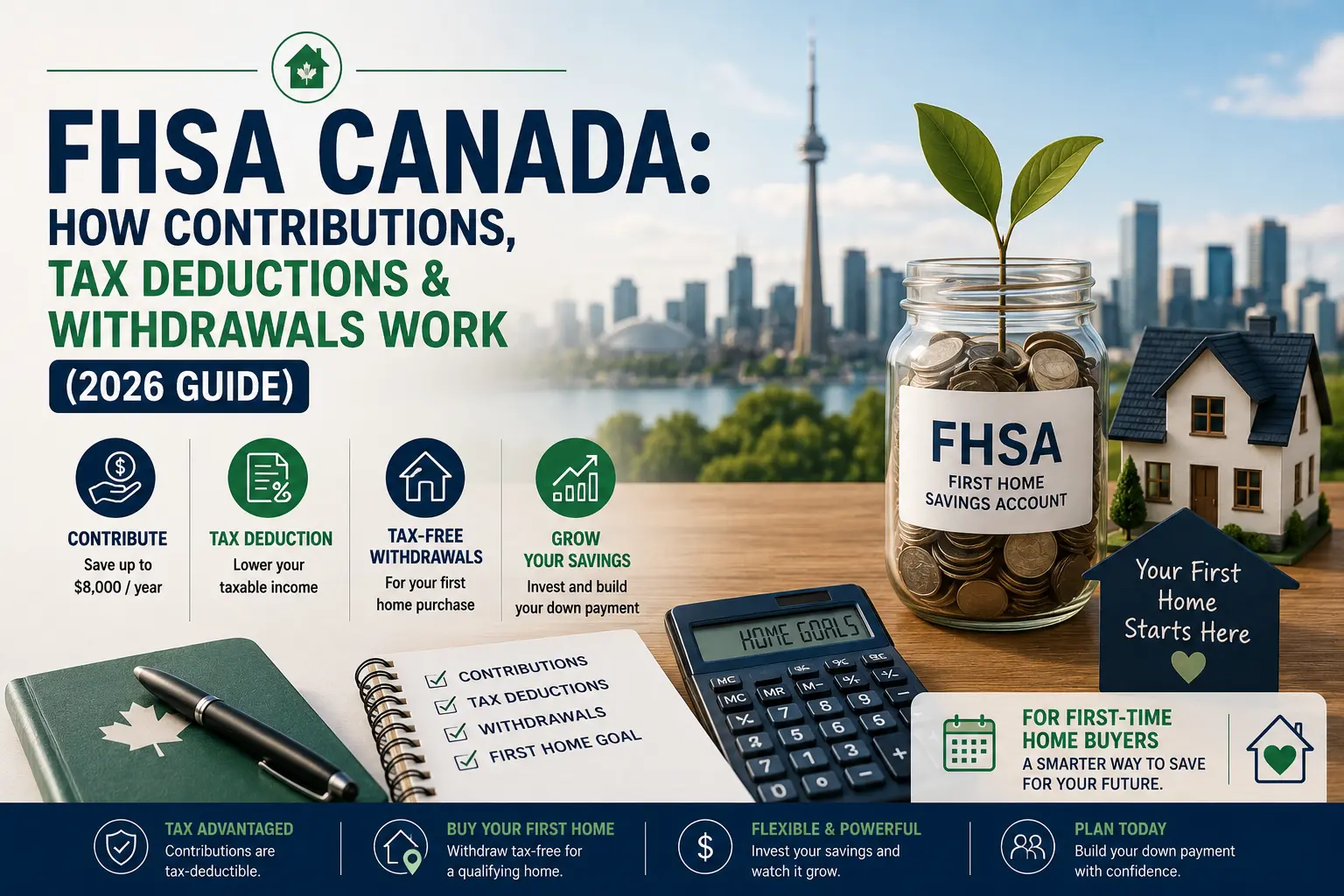
- First-time buyer programs
- Pre-approval process
The biggest mistake?
Looking at properties before understanding real approval numbers.
In Toronto’s fast-moving market, serious buyers should get pre-approved before house hunting.
Mortgage Broker Toronto Solutions for Self-Employed Borrowers
Traditional banks often struggle with self-employed mortgage approvals.
Why?
Because many business owners reduce taxable income for tax planning purposes.
Banks focus heavily on:
- Net income
- Tax returns
- Two-year averages
But real cash flow often tells a different story.
We help:
- Self-employed professionals
- Contractors
- Realtors
- Commission earners
- Incorporated business owners
- Gig workers
- Entrepreneurs
Some lenders offer alternative income programs specifically designed for self-employed Canadians.
Knowing which lenders are active in the GTA for self-employed files matters heavily.
Mortgage Renewals
Most homeowners renew with their current bank without reviewing alternatives.
That is usually a mistake.
Banks often rely on convenience and borrower inertia.
Before renewing, Toronto homeowners should evaluate:
- Current market rates
- Refinance opportunities
- Debt consolidation
- Penalty exposure
- Equity access
- Future flexibility
A mortgage should be structured for long-term financial goals — not just today’s payment.
Investors & Rental Property Owners
Toronto real estate investors face stricter qualification rules than owner-occupied buyers.
Lenders analyze:
- Rental income calculations
- Existing mortgage exposure
- Property taxes
- Condo fees
- Vacancy assumptions
- Debt servicing ratios
Different lenders calculate rental income differently.
One lender may decline a file while another approves it comfortably.
That is why lender selection matters.
Condo Buyers
Toronto remains one of Canada’s largest condo markets.
But condo financing is more complex than many buyers realize.
Lenders may evaluate:
- Condo corporation financial health
- Litigation exposure
- Investor concentration
- Building status certificate
- Maintenance fee trends
- Short-term rental restrictions
Not every condo building is equally financeable.
Move-Up Buyers
Many Toronto homeowners are now transitioning from condos to larger homes.
The challenge is usually timing.
Questions often include:
- Should you buy first or sell first?
- How does bridge financing work?
- Should you refinance before selling?
- What penalties apply if breaking early?
- Can you carry both properties temporarily?
Poor mortgage timing decisions can become expensive quickly.
Why Toronto Borrowers Get Declined by Banks
1. Debt Ratios
Many borrowers focus only on income.
Banks focus on ratios.
Even high earners can fail qualification because of:
- Car loans
- Lines of credit
- Condo fees
- Existing mortgages
- Credit card balances
2. Variable Income Issues
Bonus, overtime, and commission income usually require a stable two-year history.
Inconsistent income creates lender concern.
3. Multiple Properties
Owning several properties increases risk from a lender’s perspective.
Rental income is not always counted fully.
Each lender uses different rental offset formulas.
4. Condo Maintenance Fees
This is a major issue specifically in Toronto.
High maintenance fees can dramatically reduce affordability.
5. Poor Mortgage Structuring
Many declines happen because the application was submitted to the wrong lender.
Every lender has:
- Different policies
- Different risk tolerance
- Different property preferences
- Different income rules
A mortgage broker helps match the borrower to the right lender profile.
How a Toronto Mortgage Broker Helps
Access to Multiple Lenders
Unlike a bank employee, a mortgage broker can access:
- Major Canadian banks
- Monoline lenders
- Credit unions
- Alternative lenders
- Private lenders
One decline does not mean every lender will decline the file.
Mortgage Structuring — Not Just Rates
Focusing only on rate is shortsighted.
Mortgage structure matters more long term.
Important factors include:
- Prepayment flexibility
- Penalty calculations
- Portability
- Refinancing flexibility
- Future investment plans
- Renewal strategy
A lower rate with restrictive penalties can become far more expensive later.
Understanding Toronto & GTA Lender Appetite
Lender policies constantly change.
Some lenders become aggressive toward:
- Condos
- Self-employed borrowers
- Rental properties
- New immigrants
- High-ratio deals
Others quietly tighten approval rules.
An experienced Toronto mortgage broker understands which lenders are currently active for specific borrower profiles.
Our Mortgage Process
Step 1 — Discovery Call
We review:
- Income structure
- Down payment
- Credit profile
- Timeline
- Property goals
- Existing liabilities
Step 2 — Lender Matching
We identify lenders best suited to your profile instead of submitting random applications.
This helps reduce:
- Unnecessary declines
- Multiple credit hits
- Delays
Step 3 — Pre-Approval
Toronto buyers should get pre-approved before house hunting.
A proper pre-approval helps:
- Understand realistic budget
- Strengthen offers
- Avoid financing surprises
- Move faster in competitive markets
Step 4 — Approval & Closing
We coordinate with:
- Lenders
- Lawyers
- Realtors
- Appraisers
The goal is a smoother closing process with fewer last-minute issues.
Toronto Mortgage FAQs
1.Do I Need 20% Down to Buy in Toronto?
No.
Many owner-occupied properties in Canada can still qualify with less than 20% down payment, depending on purchase price and mortgage insurance rules.
2.Can I Buy a Condo With 5% Down in Toronto?
Yes.
But approval depends on:
- Income
- Debt ratios
- Credit score
- Condo fees
- Stress test qualification
3.How Do Condo Fees Affect Mortgage Approval?
Lenders include maintenance fees in debt servicing calculations.
Higher condo fees reduce borrowing power.
4.Can Self-Employed Borrowers Qualify for a Mortgage?
Yes.
But lender selection and income structuring matter heavily.
Many self-employed borrowers get declined simply because the file was submitted incorrectly.
5.Is Using a Mortgage Broker More Expensive?
Usually no.
In most standard mortgage transactions, the lender compensates the broker directly.
The bigger issue is choosing a broker who understands structuring — not just rate shopping.
Toronto Areas We Serve
We help clients across:
- Downtown Toronto
- North York
- Scarborough
- Etobicoke
- Mississauga
- Brampton
- Vaughan
- Markham
- Richmond Hill
- Oakville
- Burlington
- Ajax
- Pickering
- Milton
- Oshawa
6.Why Borrowers Choose Team Done Mortgage
Local GTA Market Understanding
We understand:
- Toronto condo financing
- GTA lender appetite
- Self-employed qualification
- Investment property financing
- Renewal strategies
- Refinance structuring
Multiple Mortgage Solutions
We work with:
- A lenders
- Alternative lenders
- Private lenders
This helps borrowers explore more options instead of relying on a single bank decision.
Strategy-Focused Mortgage Advice
A mortgage should support long-term financial goals — not just provide approval today.
We help borrowers think beyond:
- Interest rates
- Monthly payments
- Bank branch approvals
Speak With a Toronto Mortgage Expert
Whether you are:
- Buying your first condo
- Refinancing
- Renewing your mortgage
- Purchasing an investment property
- Moving from condo to freehold
- Self-employed and struggling with bank approvals
Team Done Mortgage helps Toronto borrowers explore smarter mortgage solutions across the GTA.
Speak with a Toronto Mortgage expert today.
Important Info
Fixed vs Variable Mortgage
First-Time Home Buyer Guide
Bank of Canada
Bank of Canada Interest Rate Announcements
CMHC Mortgage Resources
Government of Canada Financial Consumer Resources